


Wired Euphoria’s “Malware” is Infectious by Nature!

In July, Wired Euphoria’s “Fantasy Switch” felt like a plunge into emotional static, a song where heartbreak, desire and self-destruction disappeared beneath towering guitars and relentless drums. If that track found the Nottinghamshire duo willingly stepping deeper into the beautiful chaos of their sound, “Malware” discovers a wonderfully crooked way to channel that same intensity. The walls of distortion are still standing, the grunge bite remains, and Harry Barber’s drums still give the music its physical force, but this time the emotional wreckage has been infected by something far more modern. The song cleverly disguises its technological nightmare as a breakup song. Its opening haze and bruised vocals initially suggest another descent into longing and loss, before the lyrics reveal that the thing doing the damage is not necessarily a lover at all. It is a virus. Wired Euphoria continues exploring corrupted emotional territory, only now they have given the corruption a digital address. The result is another chapter in their noisy, vulnerable evolution, but one that arrives with a surprisingly wicked little glitch in the system.
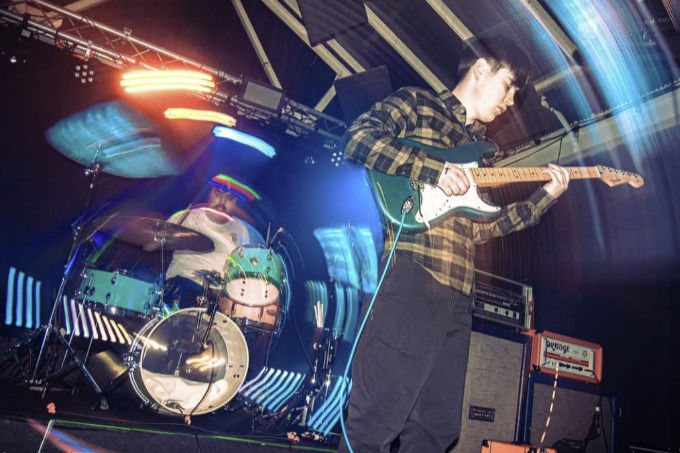
The song begins in a fog of distorted guitars, the sound deliberately blurred around the edges, before the drums arrive with a heavy, physical thump and the vocals emerge carrying an unexpectedly bruised, emo-like vulnerability. “You’re fading / To nothing / You’re not here” immediately makes the song sound like a breakup unfolding in real time, all absence, disappointment, and emotional disconnection. Then comes the twist - beneath all that romantic-looking anguish is a song about getting hacked by malware. It is a brilliantly strange collision of subject and sound, because Wired Euphoria never makes the technology feel like a novelty gag. They turn the frustration of digital invasion into something genuinely claustrophobic, where corrupted data starts feeling suspiciously close to corrupted emotions. The guitars are central to that atmosphere. Jack Cawthorn builds the track around a deliberately rough-edged alternative-rock foundation, letting the distortion smear across the opening before settling into a direct, muscular grunge groove. There is a sense of restraint in the arrangement, too. The duo does not bury the song under layers of production simply because they can. Instead, the guitar, bass weight, drums, and vocal occupy their own physical spaces, giving the track the feeling of a band playing in a room rather than a production assembled from immaculate digital pieces. That approach makes the subject matter even more amusingly appropriate. A song about malware has been built with an aesthetic that feels almost allergic to excessive technological polish. And then there are those lyrics, which become increasingly interesting once you know what is actually happening. “You let me down / Cut me as I'm young / Oh, what have I become?” sounds like someone wrestling with emotional damage, while “I'm coded / In quicksand” suddenly introduces the language of computers into the psychological landscape. The repeated “Be the one I love” adds another layer of ambiguity. Is the narrator speaking to a person, a machine, a corrupted system, or simply the thing they desperately want to return to normal? Wired Euphoria wisely leaves enough space for the listener to experience the words emotionally before understanding their technological origin. The result is a kind of accidental cyber-heartbreak song.

Cawthorn’s vocal performance is crucial to that illusion. His delivery carries an emo-inflected fragility without becoming overly theatrical, giving the verses the sensation of someone trying to hold themselves together while everything around them is quietly falling apart. That vulnerability makes the harder sections hit with greater force. Harry Barber’s backing vocals add another dimension in the choruses, reinforcing the feeling of emotional escalation while his drumming supplies the track with its physical punch. The chemistry between the two musicians is especially effective because the arrangement knows when to sound wounded and when to sound confrontational. Halfway through, the song briefly changes its complexion. The straightforward indie-grunge momentum develops a darker, almost goth-rock shade, as though the song has wandered through a corrupted folder and emerged somewhere considerably more sinister. It is a subtle shift, but it gives the track a useful sense of movement. The darkness then recedes and the indie-rock groove returns, bringing the song back toward its central refrain. That little detour reflects the duo’s wider range of influences, where the directness of Nirvana and Oasis can coexist with the atmosphere of Slowdive, Radiohead, and Darkwave. The funniest thing about “Malware” may be that the song succeeds because it refuses to sound like what it is about. There are no obvious gimmicks designed to make the listener think “computer virus.” Instead, Wired Euphoria translates the experience into the language they understand best - guitars that feel contaminated, drums that hit like mounting frustration, and vocals that make technological inconvenience sound heartbreakingly personal. Being hacked becomes an emotional crisis. A compromised computer becomes a compromised state of mind.

So plug in, turn up the volume, and let “Malware” infect your playlist with the good kind of noise. Wired Euphoria has once again proved that guitars can carry emotional bruises and a little digital damage, creating a track that hits hard while keeping its tongue firmly in its cheek. Give it a spin, share the glitch, and support Wired Euphoria as they continue building their beautifully distorted world one unruly riff at a time. Listen below!
#WiredEuphoria #Malware #JackCawthorn #HarryBarber #AltRock #Grunge #HardRock #IndieRock #Shoegaze #StonerRock #PostPunk #Music #Nottinghamshire #UK
You can check out and follow Wired Euphoria's musical journey on their Instagram profile below :

Comments